 0

CategoryCactus
GenusEchinocereus
FamilyCactaceae

Natural originThis species is native to central Mexico. Its principal natural range includes the states of Hidalgo and Puebla; some botanical and horticultural sources also mention Querétaro.
Acquired fromhttps://cactusagroideas.com
In the collection sinceJul 17, 2026
Kept inBalkon

Natural habitatThe species inhabits open, dry grasslands and xeric scrubland, generally at elevations of about 1,800–2,350 m. It often grows in clayey-sandy soils. Its thickened taproot stores water and nutrients; during prolonged drought, the stem may shrink and partially retreat below the soil surface.
About the species
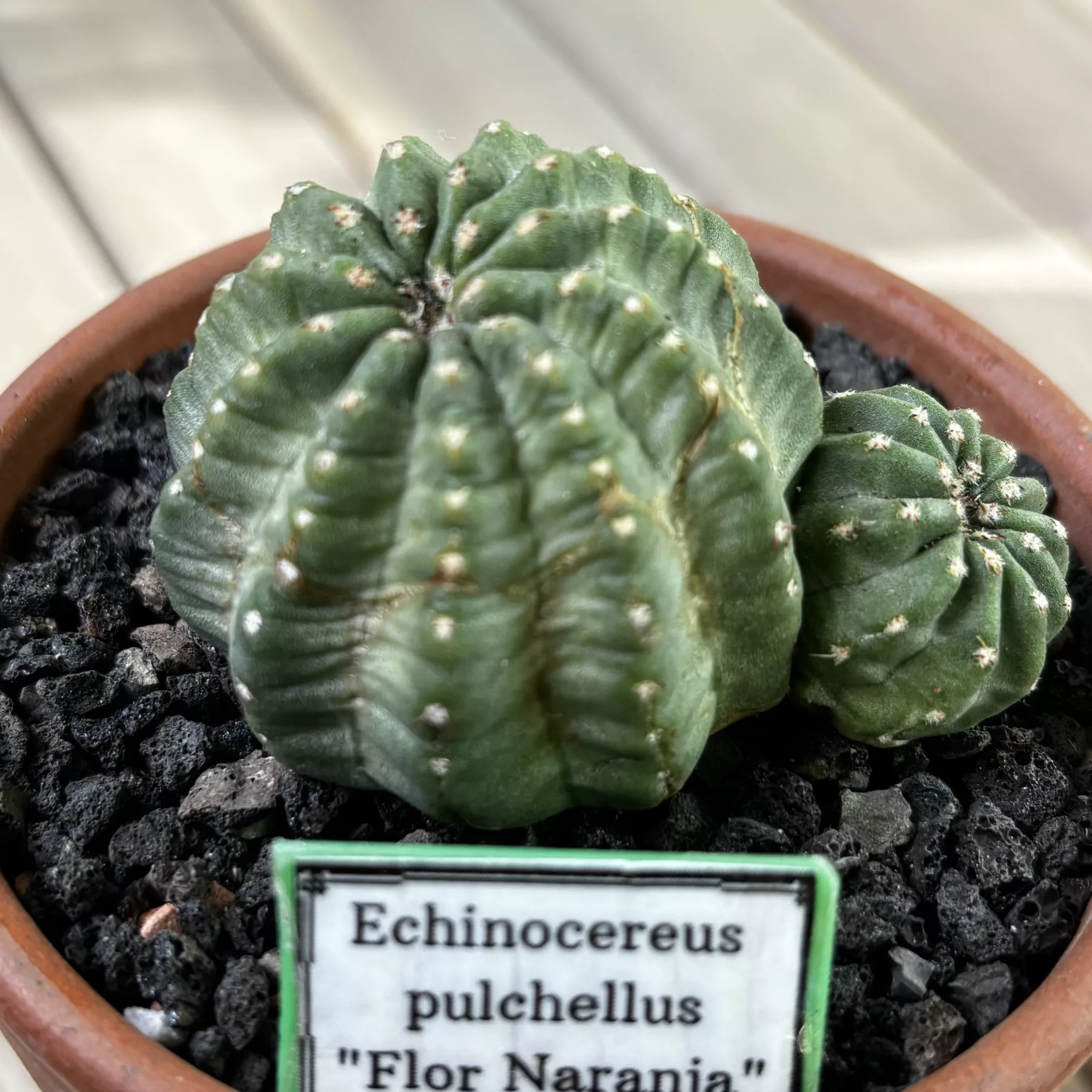
Echinocereus pulchellus “Flor Naranja”
Cultivar – its own data takes priority; missing botanical fields are supplemented from the parent species (Echinocereus pulchellus).
- Native distribution
- Mexico Central, Mexico Northeast
Care summary
Echinocereus pulchellus “Flor Naranja”
 Waterlowgeneral genus dataLightfull sungeneral genus dataHumiditylowgeneral genus dataMin. temperature0 °Cgeneral genus data
Dry winter rest · general genus dataDifficulty: ●●○○○ · general genus data✓ Not known to be toxic · general genus data
No monthly schedule is shown because cultivar-/species-level data is not yet sufficient. The general values above are guidance only.
 Echinocereus tip: After a cold, bone-dry winter it produces enormous flowers; many species are frost hardy.
⚠ Pets & children · genus Echinocereus
✓Not known to be toxic 🐱 🐶 🧒details →
In the grower’s words
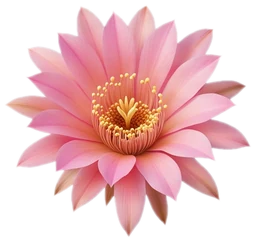
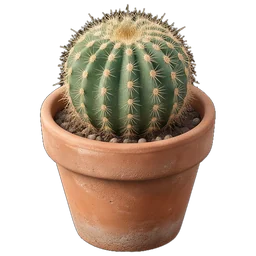
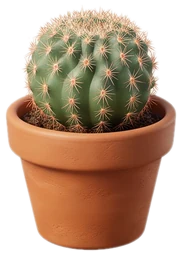
Echinocereus pulchellus is a small, slow-growing cactus with a flattened globular stem that may become somewhat elongated with age. The stem is usually bluish green to grey-green and approximately 4–10 cm in diameter. It generally grows as a solitary plant and only rarely produces offsets. Small areoles occur along the short, slightly tuberculate ribs and bear a few short, pale-yellowish to grey spines. Its large, funnel-shaped flowers are often fragrant and range from whitish and pink to purple. The flowering display is striking in relation to the plant’s small size.
In chronological order
Growth photos
Magic tools
The plant’s story
Conversation
Comments
From the same genus
Log in to comment.