 0

CategoryCactus
GenusEchinocereus
FamilyCactaceae

Natural originNorthern Mexico and the southern United States, particularly Texas. Sources differ in their interpretation of its range; the Kew database lists northwestern and northeastern Mexico, as well as Texas.
Acquired fromhttps://cactusagroideas.com

In the collection sinceJul 17, 2026
Kept inBalkon

Natural habitatThe species inhabits dry, semi-desert areas, xeric scrubland, limestone hills and rocky grasslands. It occurs at elevations of approximately 400–1,900 m and favours mineral soils with good drainage.
About the species
Echinocereus pectinatus (Scheidw.) Engelm.
- Native distribution
- Middle America, North America, Mexico Northeast, Mexico Northwest, Texas, Global, Brazil
Care summary
Echinocereus pectinatus
 WaterlowLightfull sunHumiditylowgeneral genus dataMin. temperature0 °C
Dry winter rest · general genus dataDifficulty: ●●○○○ · general genus data✓ Not known to be toxic · general genus data
No monthly schedule is shown because cultivar-/species-level data is not yet sufficient. The general values above are guidance only.
 Echinocereus tip: After a cold, bone-dry winter it produces enormous flowers; many species are frost hardy.
⚠ Pets & children · genus Echinocereus
✓Not known to be toxic 🐱 🐶 🧒details →
In the grower’s words
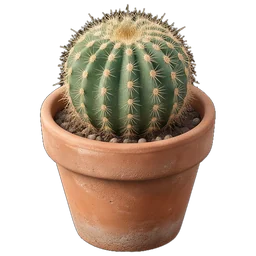
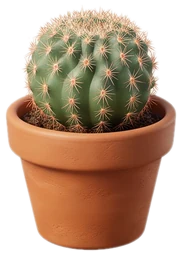
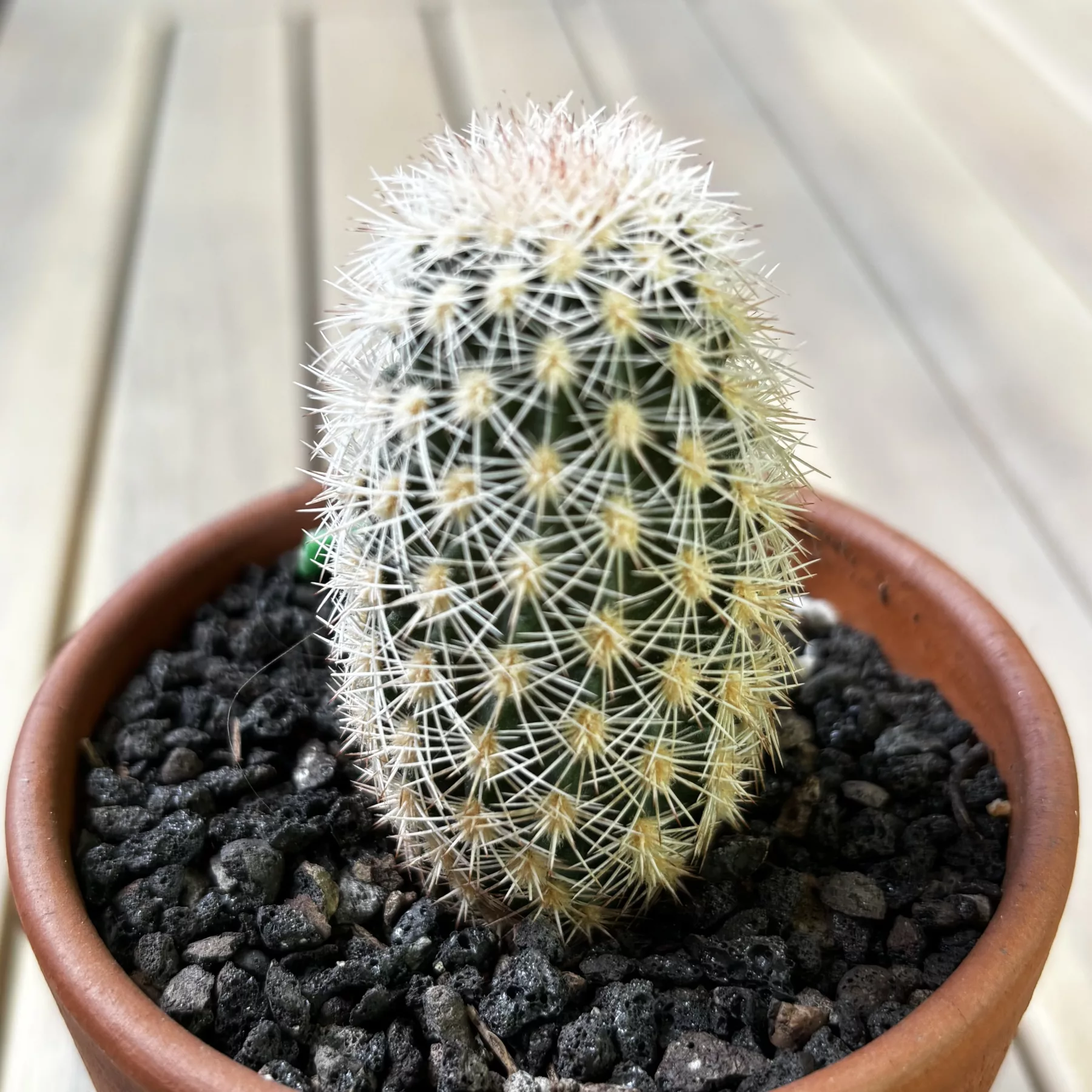
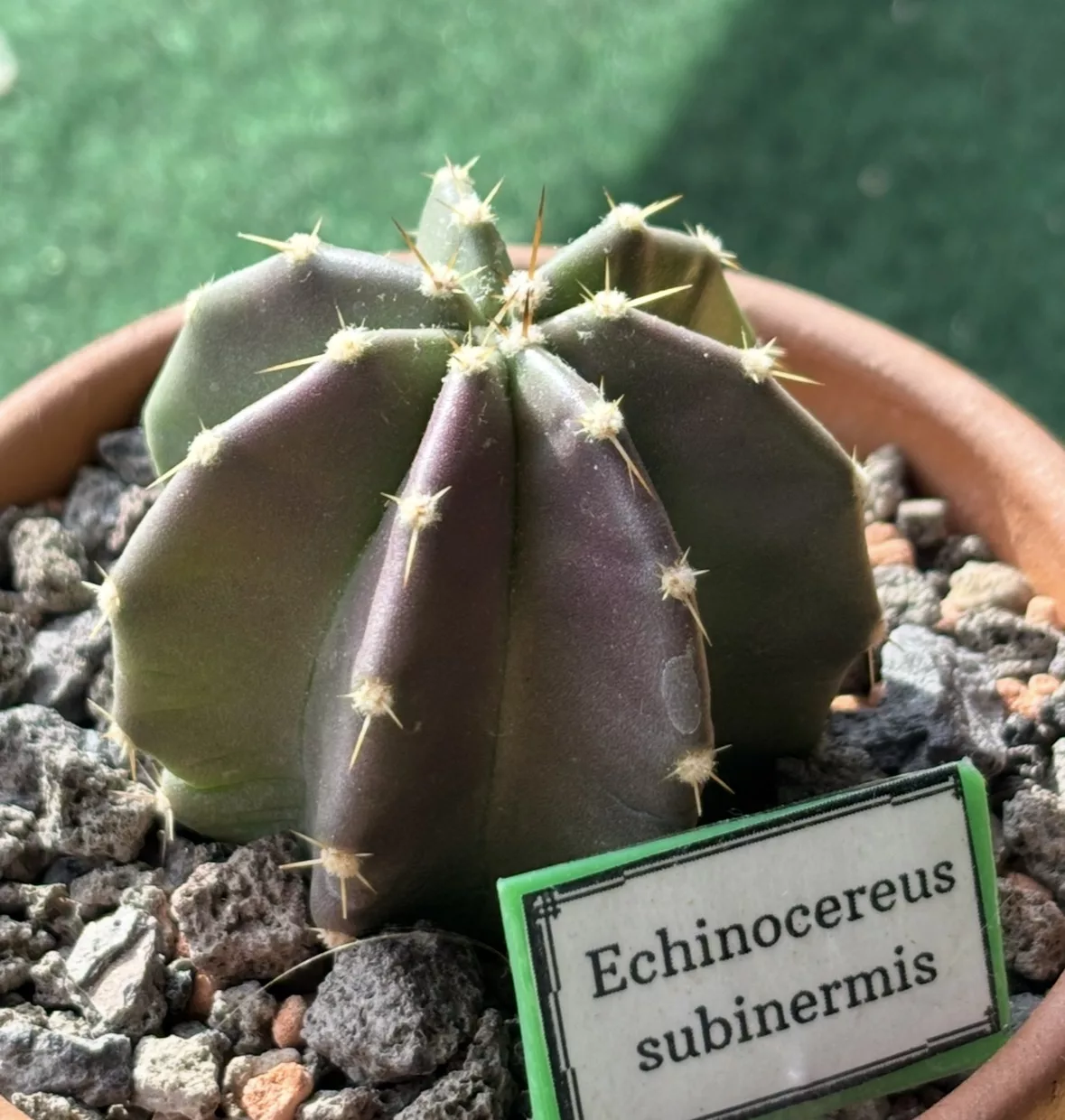
Echinocereus pectinatus is a slow-growing cactus that is globular when young and becomes short and cylindrical with age. It usually grows as a solitary stem. Distinct ribs run along the stem, while the areoles bear dense, comb-like spines that may range from whitish and pink to yellowish or brown. Its striking, funnel-shaped flowers are usually pink to purple. Its colourful, comb-like spines give it the common name rainbow cactus.
In chronological order
Growth photos
Magic tools
The plant’s story
Conversation
Comments
From the same genus
Log in to comment.