 0
CategoryCactus
GenusEchinocereus
FamilyCactaceae

Natural originNative to Mexico, occurring in Sonora and Sinaloa, southwestern Chihuahua, and Durango.
Acquired fromhttps://cactusagroideas.com
In the collection sinceJul 17, 2026
Kept inBalkon
Natural habitatThe species grows in warm, dry landscapes, particularly desert regions and dry shrublands of northern Mexico. It is adapted to low rainfall and prolonged dry periods. A well-drained, mineral substrate is important for natural drainage.
About the species
Echinocereus Subinermis Salm-Dyck ex Scheer
- Native distribution
- Native to the northwestern part of Mexico, in the states of Sonora and Sinaloa, as well as in the southwestern region of Chihuahua and Durango.
- Natural habitat
- Occurs in dry, desert, and semi-desert areas, in dry shrublands. Characterized by low precipitation and well-drained soil in its natural habitat.
- Height / growth form
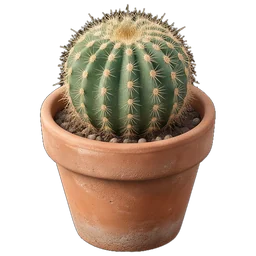
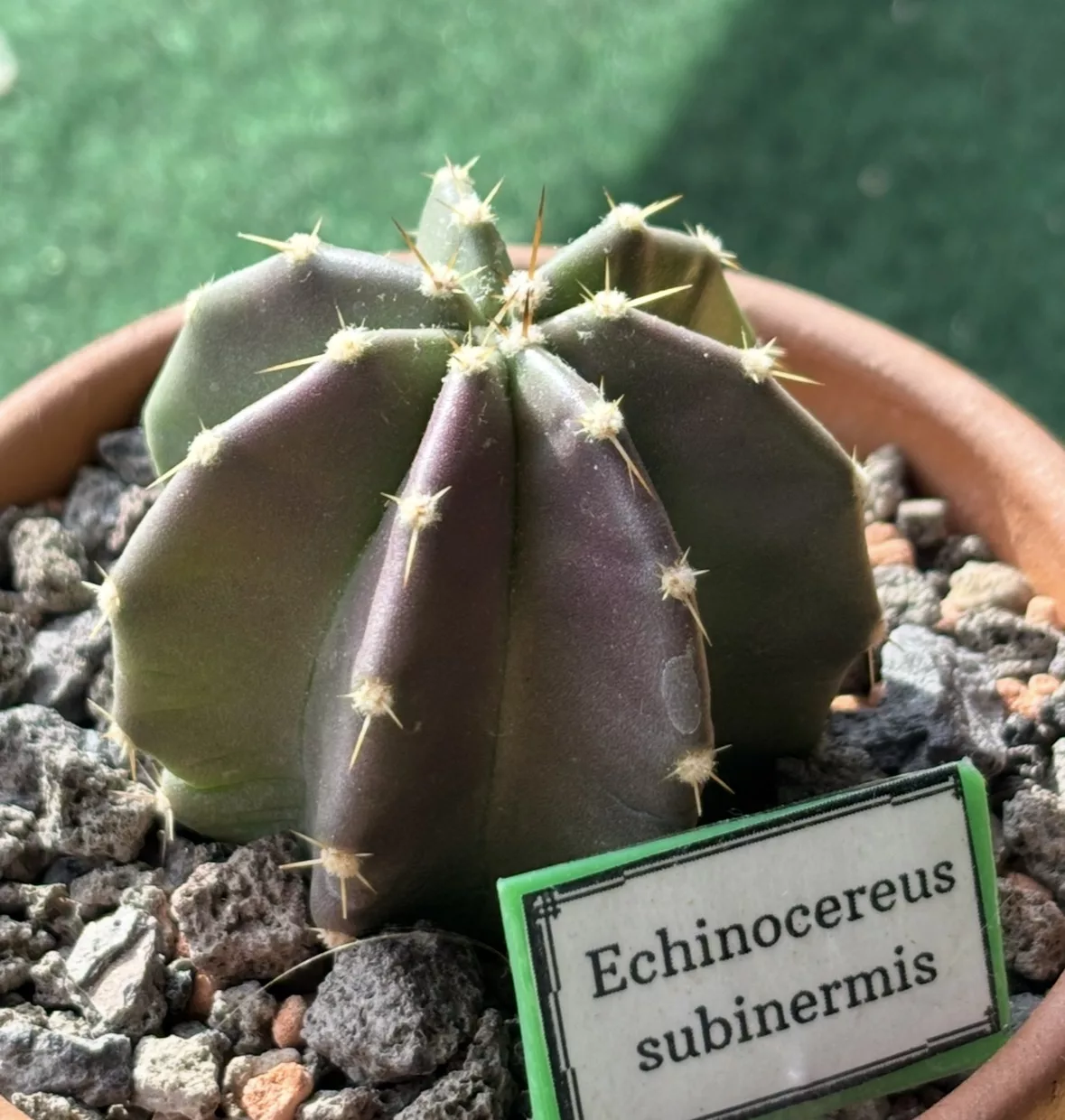
- Erect, rounded to cylindrical, ribbed-stemmed cactus. Typically reaches a height of about 10–25 cm. The number of ribs and the development of spines vary.
- Flowering period
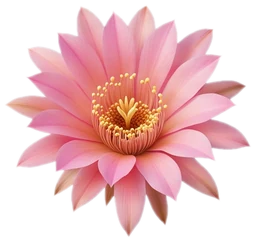
- From late spring to early summer, typically with large, funnel-shaped yellow flowers.
Care summary
Echinocereus Subinermis
 Waterlowgeneral genus dataLightfull sungeneral genus dataHumiditylowgeneral genus dataMin. temperature0 °Cgeneral genus data
Dry winter rest · general genus dataDifficulty: ●●○○○ · general genus data✓ Not known to be toxic · general genus data
No monthly schedule is shown because cultivar-/species-level data is not yet sufficient. The general values above are guidance only.
 Echinocereus tip: After a cold, bone-dry winter it produces enormous flowers; many species are frost hardy.
⚠ Pets & children · genus Echinocereus
✓Not known to be toxic 🐱 🐶 🧒details →
In the grower’s words
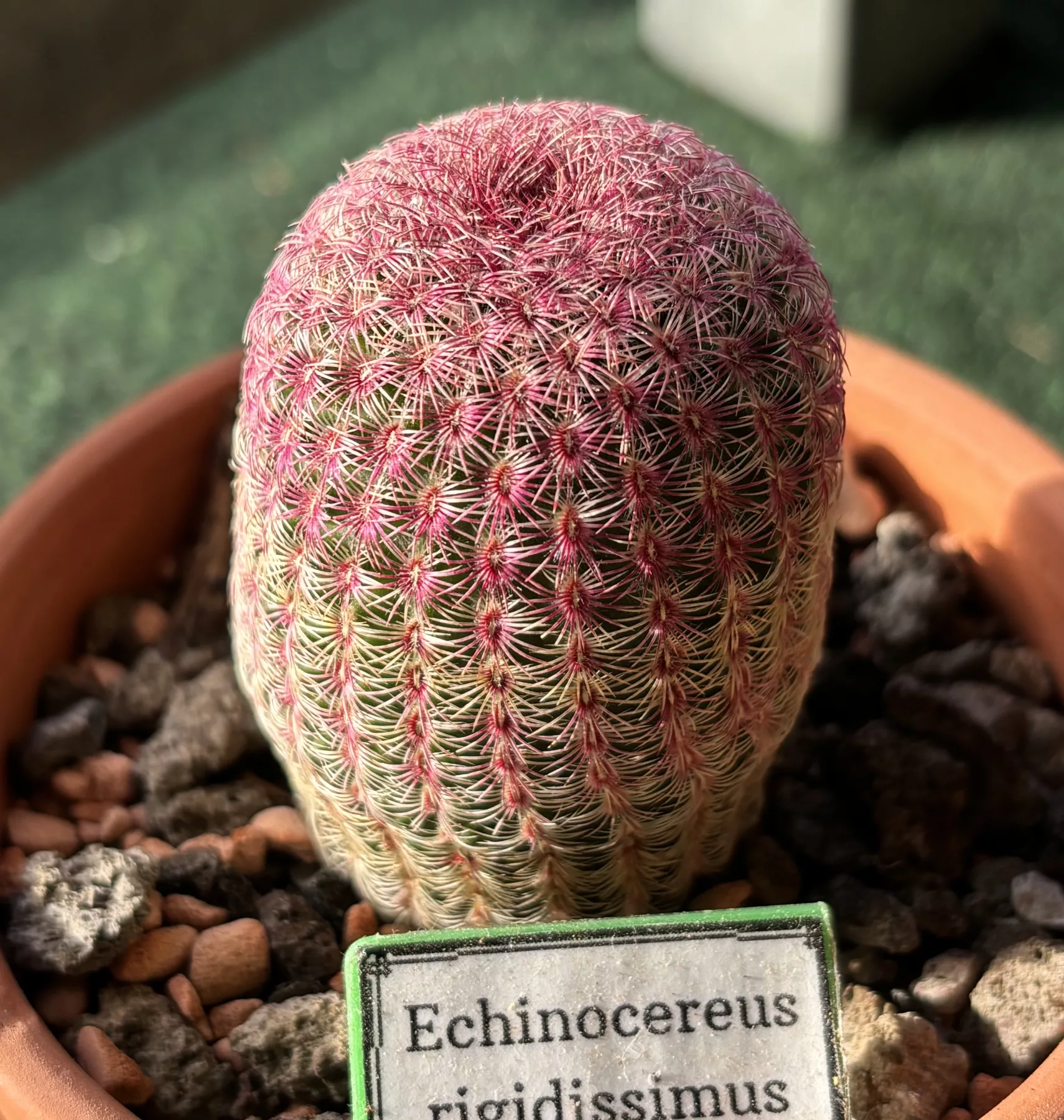
Echinocereus subinermis is a cactus species native to northern Mexico and belonging to the family Cactaceae. Its stems are initially globular and may become short and cylindrical with age. Older plants sometimes produce offsets from the base. The ribs are slightly wavy, while the spines are short, sparse and often yellowish. The species is particularly notable for its large, funnel-shaped, bright yellow flowers. Its natural habitats include warm, dry desert regions and shrublands. Waterlogging should be avoided, making a very well-drained growing medium essential in cultivation.
In chronological order
Growth photos
Magic tools
The plant’s story
Conversation
Comments
From the same genus
Log in to comment.